 Save Fallbrook
Environmental impacts
Protecting the Santa Margarita watershed
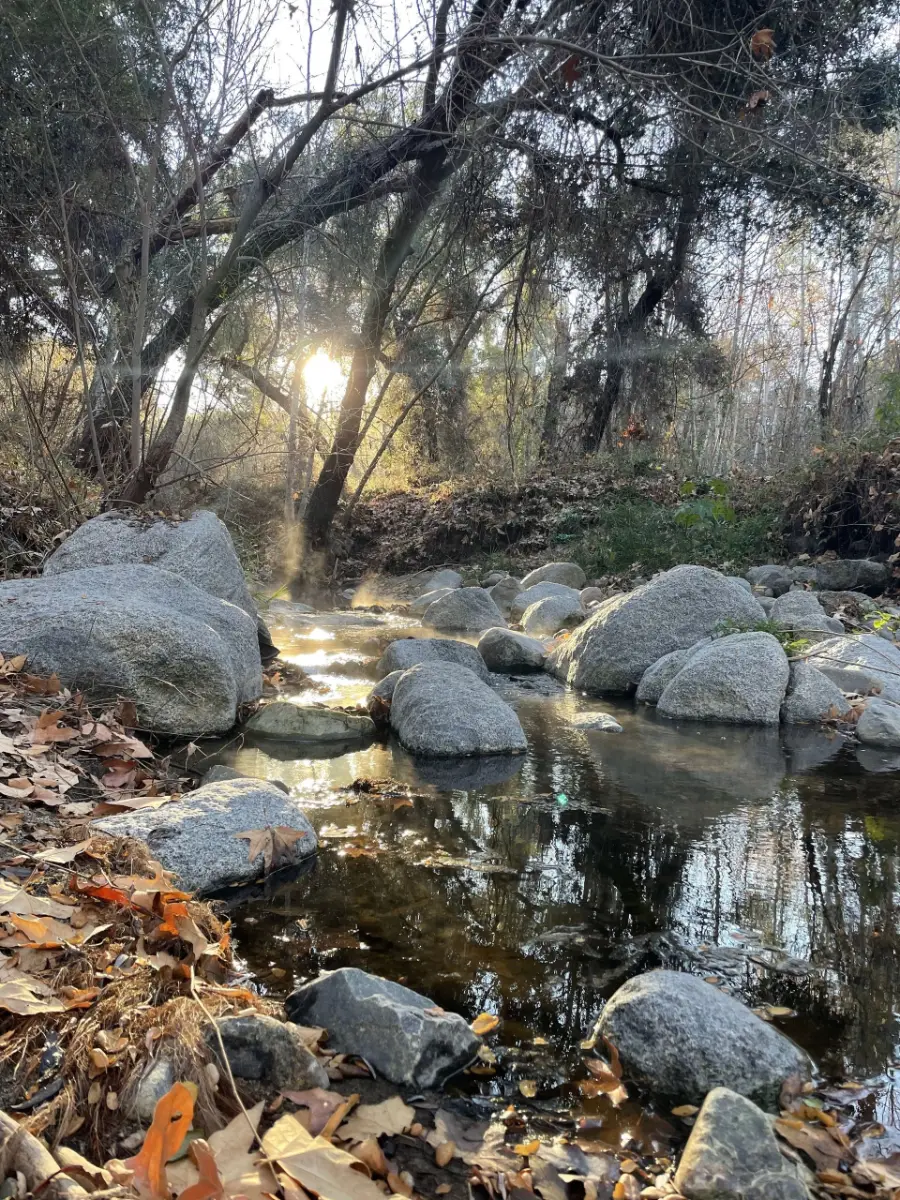
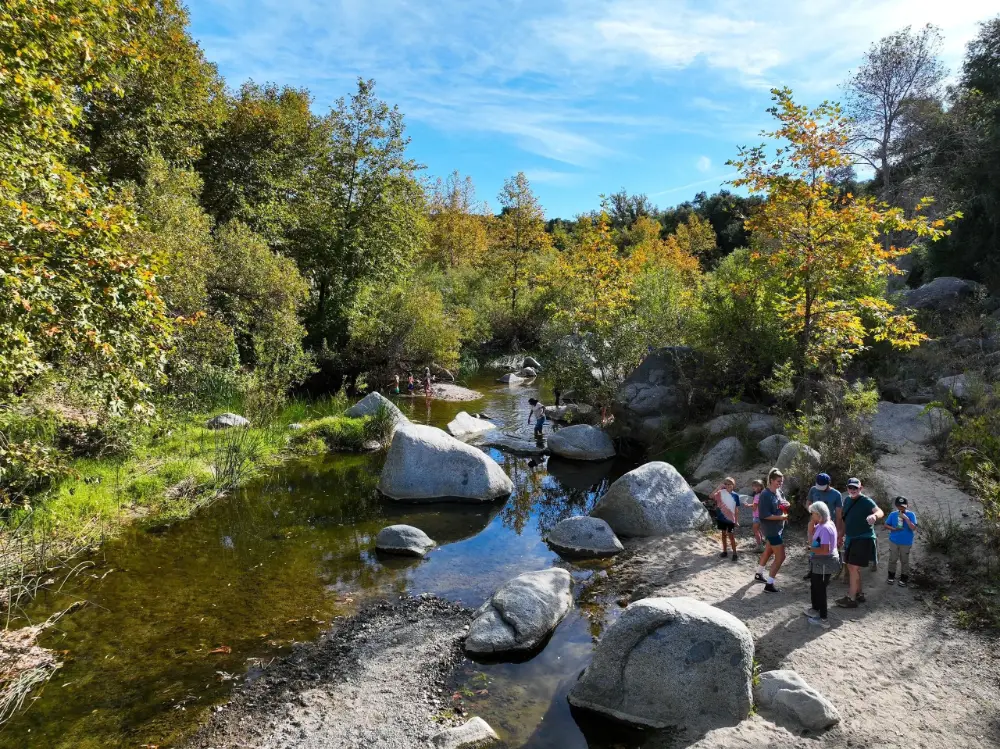
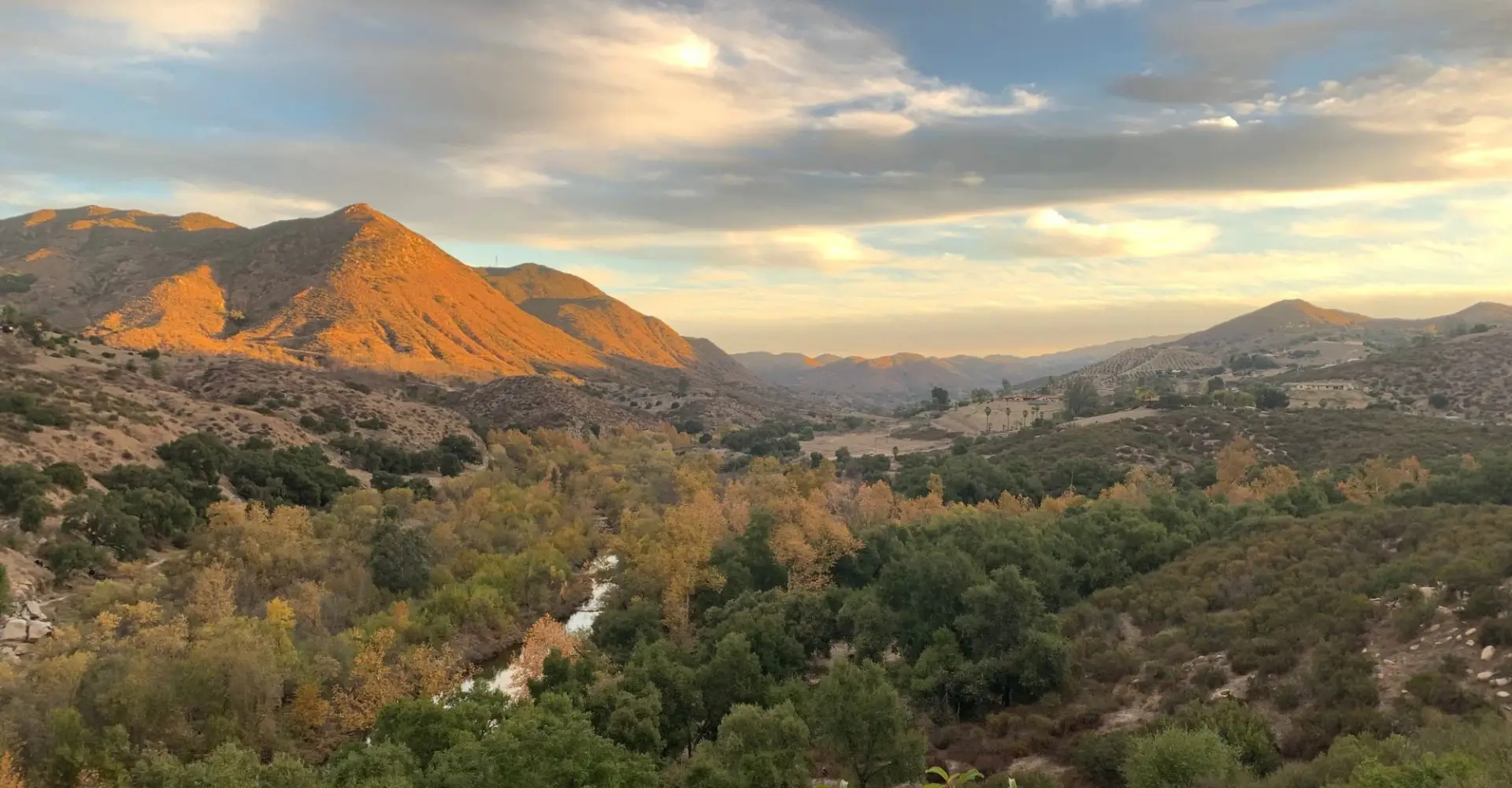
For many of us, the Santa Margarita River is where we walk the trails, ride, watch for birds and show our kids a living river. It is also one of the most intact river systems left on the Southern California coast, and SDG&E’s proposed 500-kV Powerlink puts it at risk.
Photo: the Santa Margarita River Trail in fall. John Trammell.
One of Southern California's last living rivers
Beginning where Temecula and Murrieta creeks meet, the Santa Margarita River flows about 27 miles through Temecula Gorge, the Fallbrook area and Camp Pendleton to the Pacific. Its watershed spans roughly 738 square miles and about 949 miles of rivers and tributary streams.
The California State Coastal Conservancy describes it as the longest free-flowing river on the Southern California coast. Much of it has escaped channelization, development and dams, preserving one of the largest remaining stretches of relatively undisturbed riparian habitat in coastal Southern California.
That continuity lets the river work as one connected system, supporting groundwater, wildlife habitat, drought refuge and the link between inland mountains and the coast.
A protected drinking-water source
The river is also Fallbrook’s water. Since late 2021, the Santa Margarita River Conjunctive Use Project, built by the Fallbrook Public Utility District and Camp Pendleton, has captured river water, stored it in the base’s aquifer and supplied about half of the district’s water. FPUD
Rights to that water have been in federal court since 1951, in United States v. Fallbrook Public Utility District, and parts of the case were settled only in 2017 and 2019. Village News
A network of protected lands
More than isolated parks
 ~5,000 acres
Santa Margarita Ecological Reserve
Managed by San Diego State University. Protects native plants, animals and the Temecula Gorge. The river begins at its northeastern boundary and flows through it toward Fallbrook.
Santa Margarita River Trail Preserve
Managed by The Wildlands Conservancy. A critical wildlife link between the Palomar and Santa Ana mountains, with projected visitation above 60,000 trail users a year.
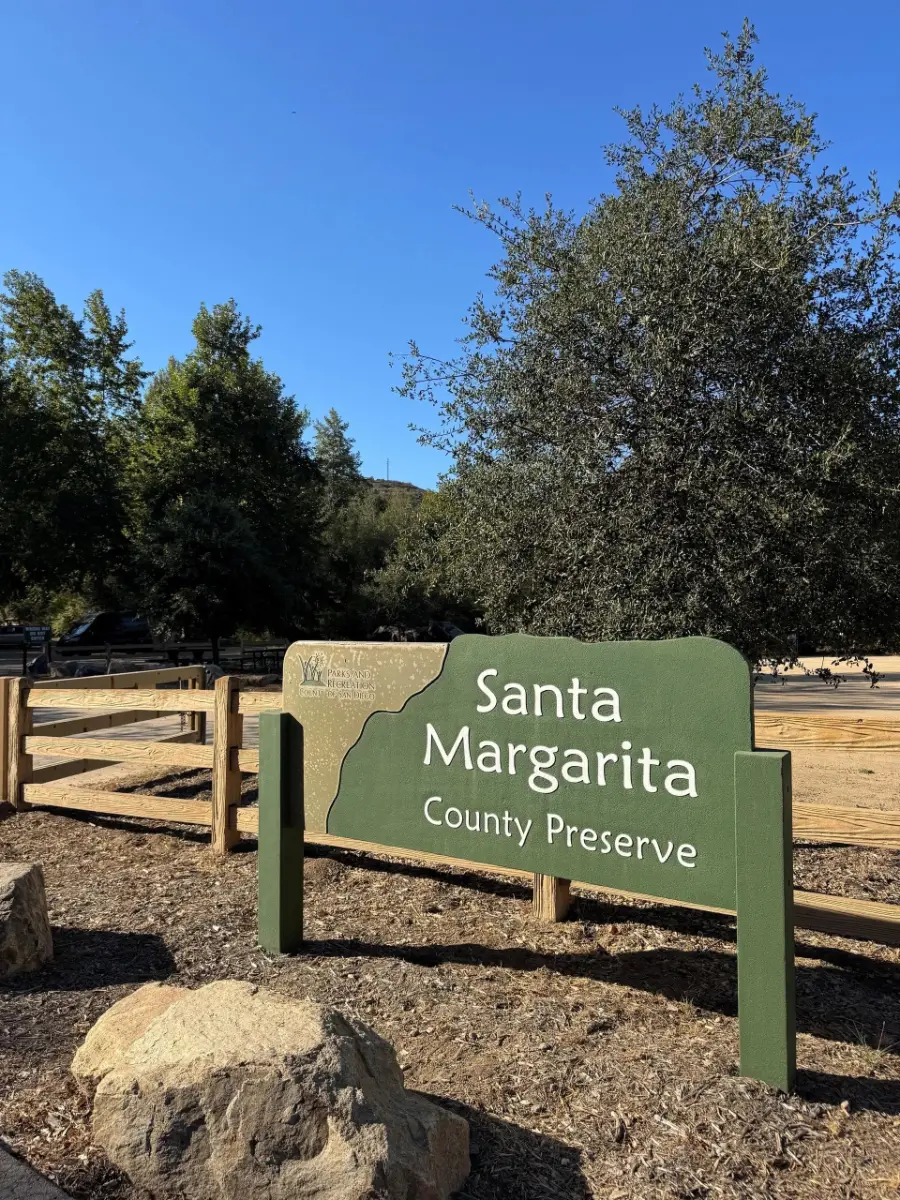 221 acres
Santa Margarita County Preserve
Riparian and upland habitat in Fallbrook with two miles of trails, preserved by the County in perpetuity for the valley's resources and scenic beauty.
Extraordinary biodiversity
The watershed supports approximately:
State research has documented seven federally or state-listed threatened or endangered species in the watershed, plus more than 60 species of special concern.
The Trail Preserve holds federally designated critical habitat for the coastal California gnatcatcher, least Bell's vireo, southwestern willow flycatcher and arroyo toad. The corridor also supports mountain lions, the southwestern pond turtle, arroyo chub, western yellow-billed cuckoo and Southern California steelhead.
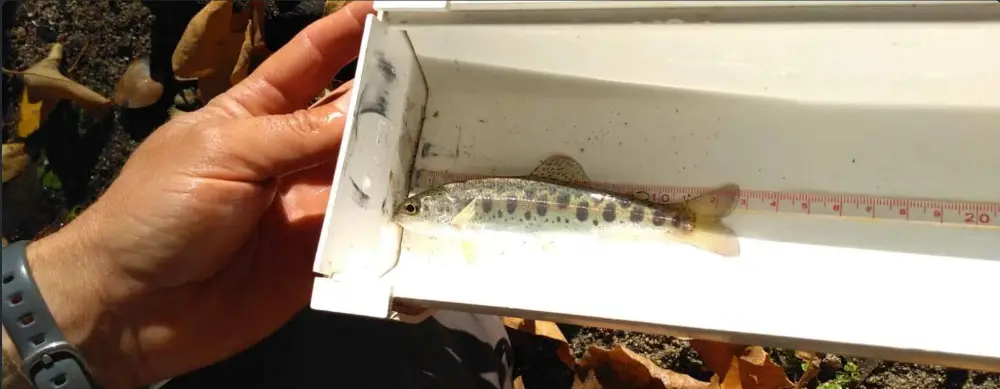
The river's cold-water refuge pools make it one of the best chances to restore endangered Southern California steelhead. In 2019, Pacific lamprey were documented here for the first time since 1940.
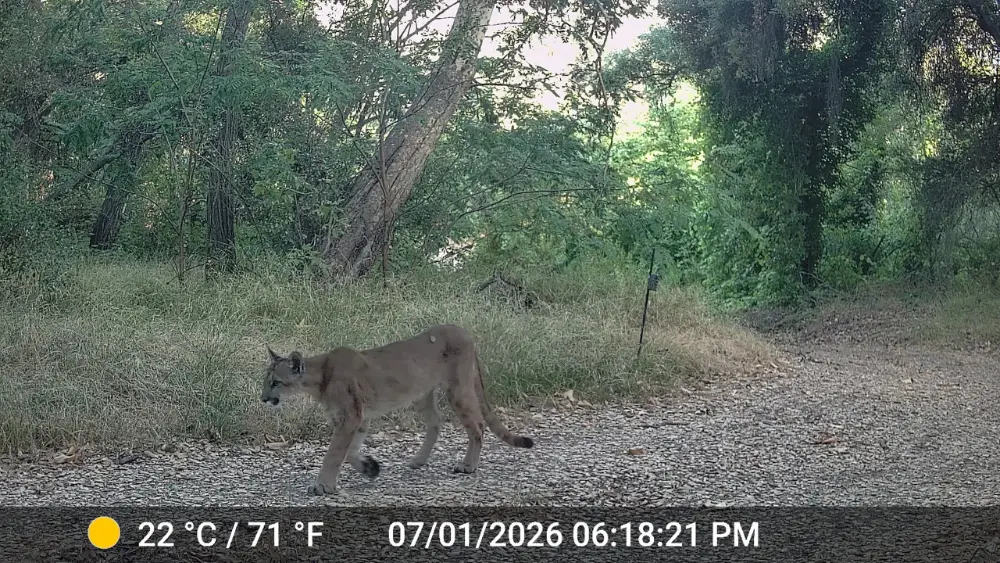
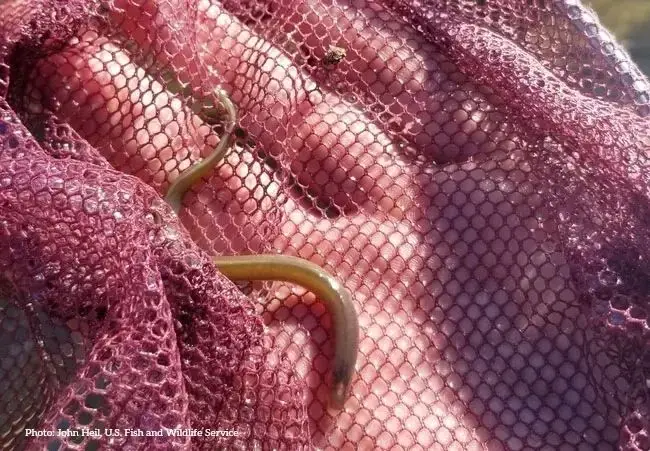
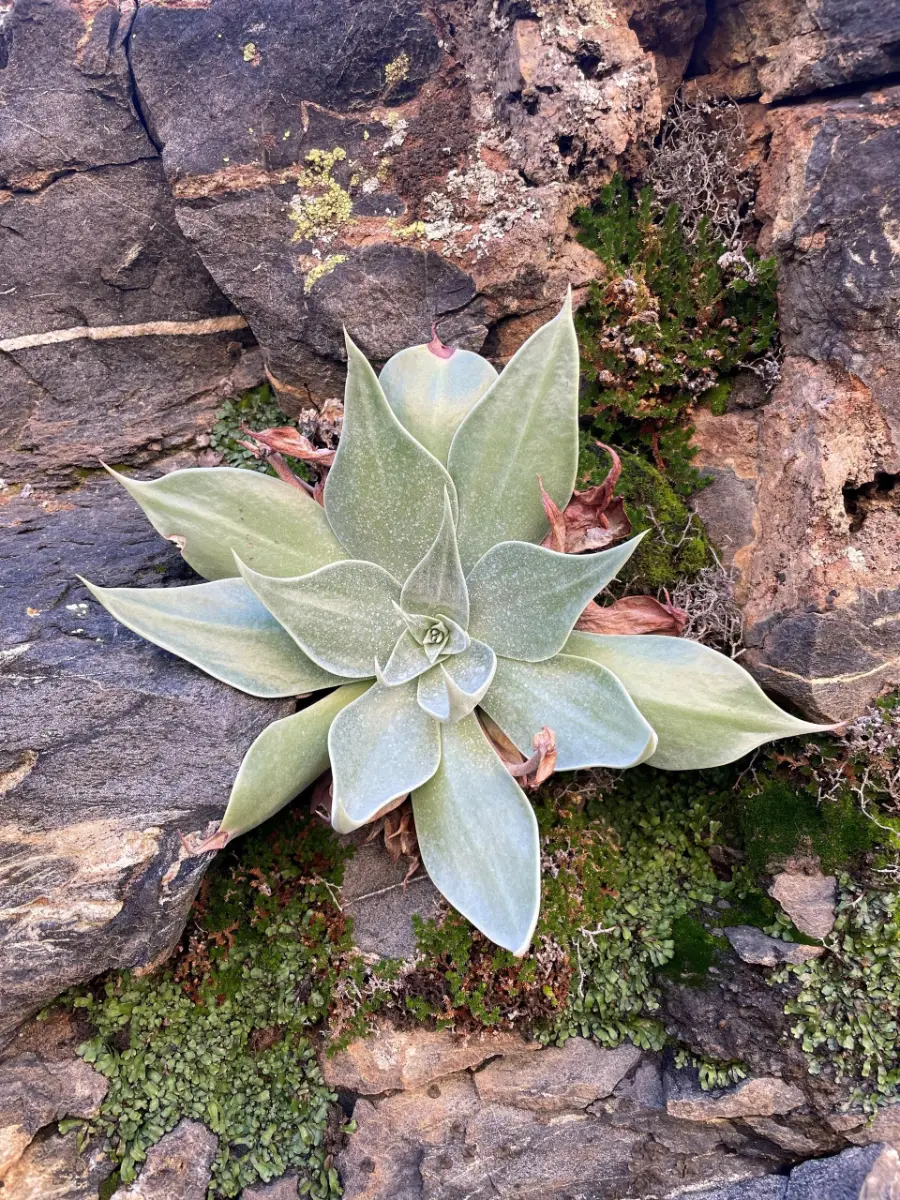
The Ecological Reserve protects some of the largest intact stands of coastal sage scrub left in California, along with Engelmann oak, Orcutt's brodiaea, sticky dudleya and the federally endangered San Diego ambrosia.
What happens upstream travels downstream
The river flows through Camp Pendleton to the Santa Margarita Estuary, about 192 acres of habitat and one of the region's few largely unmodified coastal estuaries. It supports the California least tern, western snowy plover, tidewater goby, light-footed Ridgway's rail and more. Changes to drainage, sediment or water quality upstream reach habitat far beyond any construction site.
Why a new transmission corridor raises concern
Building industrial-scale transmission lines can require tower foundations, grading, vegetation removal, staging areas and new access roads. The environmental review must examine whether this work could:
- Increase erosion and sediment entering streams
- Alter natural drainage patterns
- Remove or fragment native habitat
- Introduce or spread invasive plants
- Disrupt wildlife movement between the Palomar and Santa Ana mountains
- Affect sensitive plants, nesting birds, amphibians, fish and aquatic habitat
- Degrade scenic views and recreation
- Create permanent maintenance access through undeveloped land
The river's value comes from its connectivity. Breaking it in one place weakens the whole system's ability to support wildlife, recover from wildfire and stay healthy.